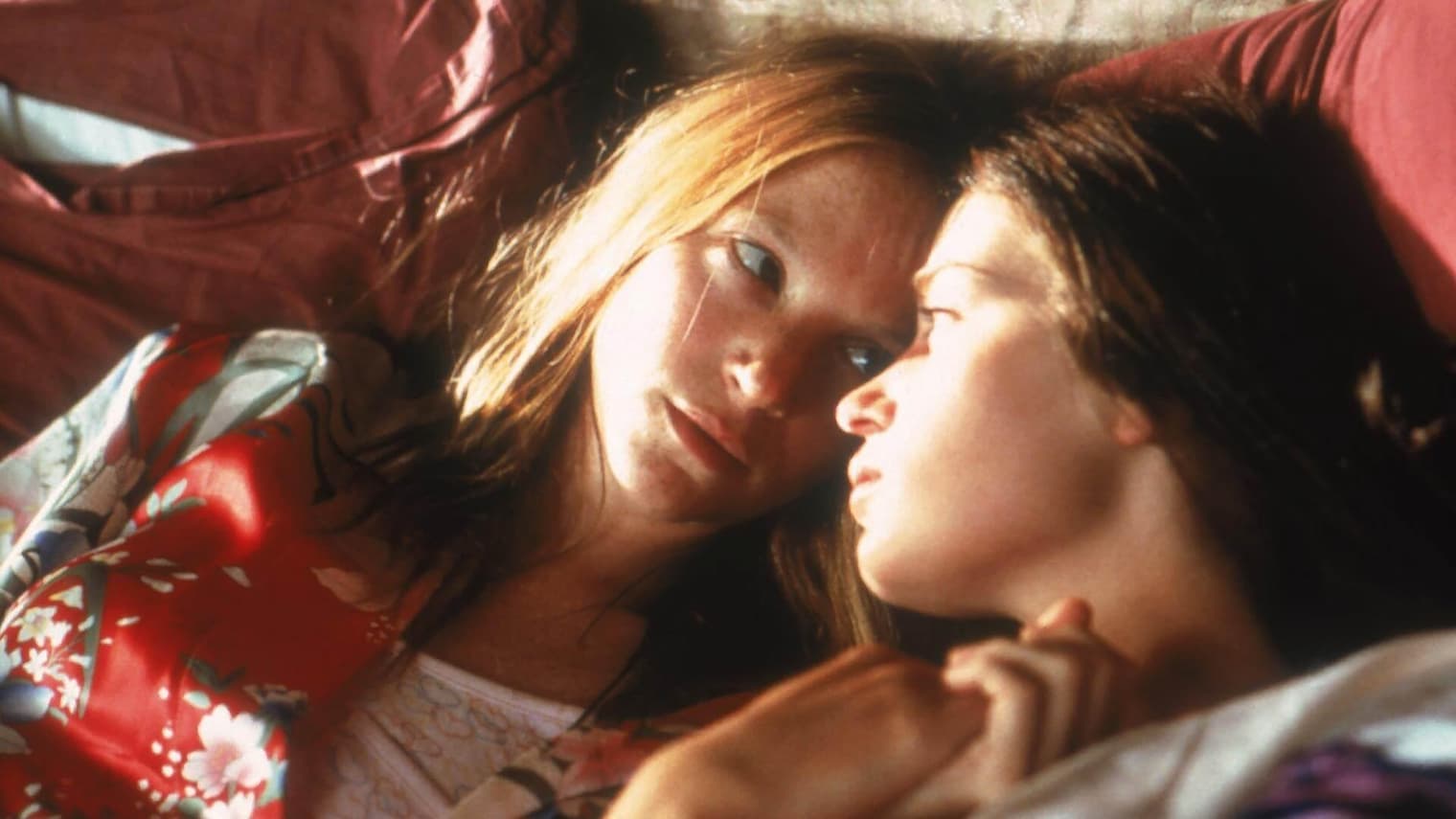
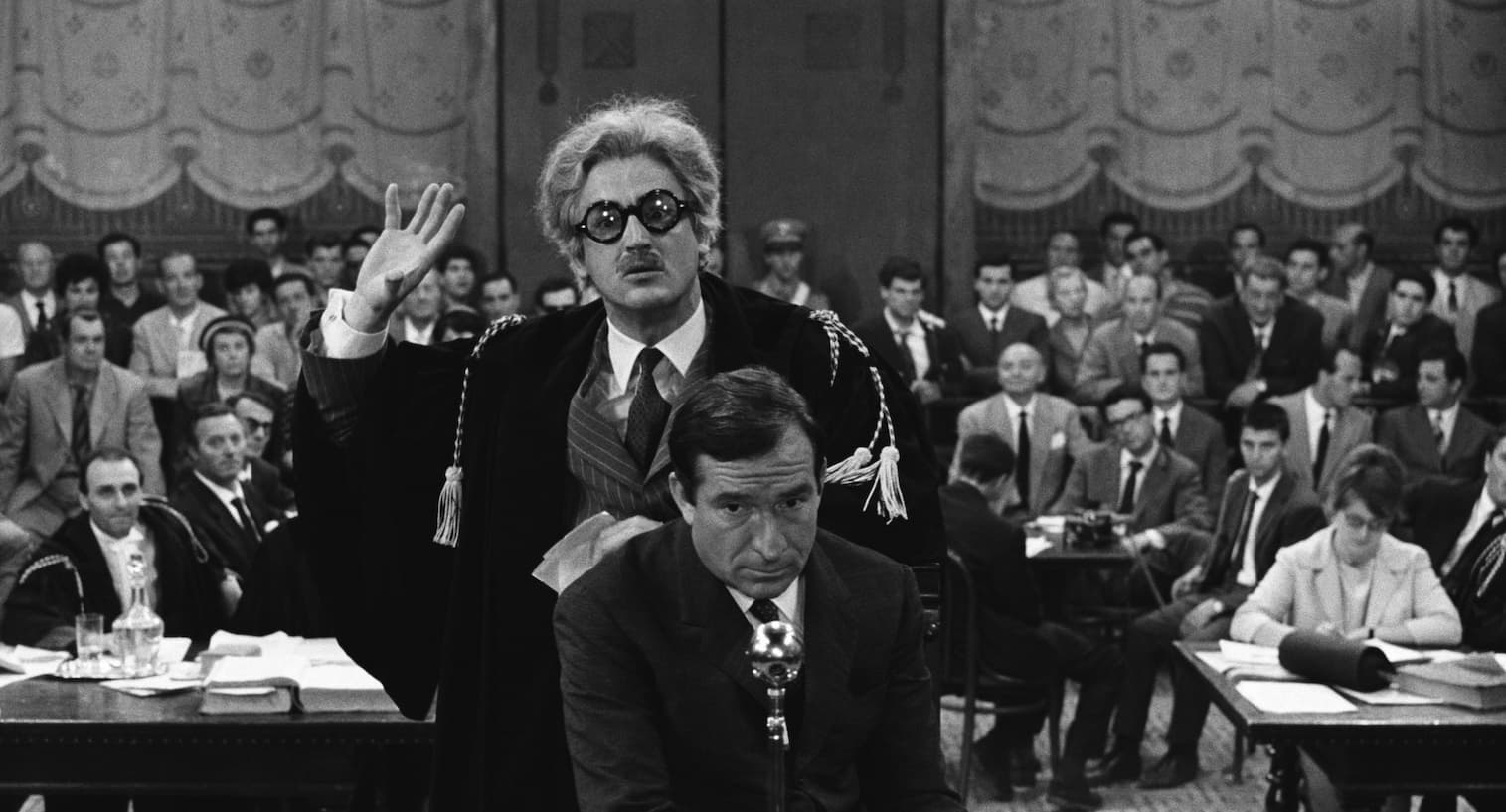
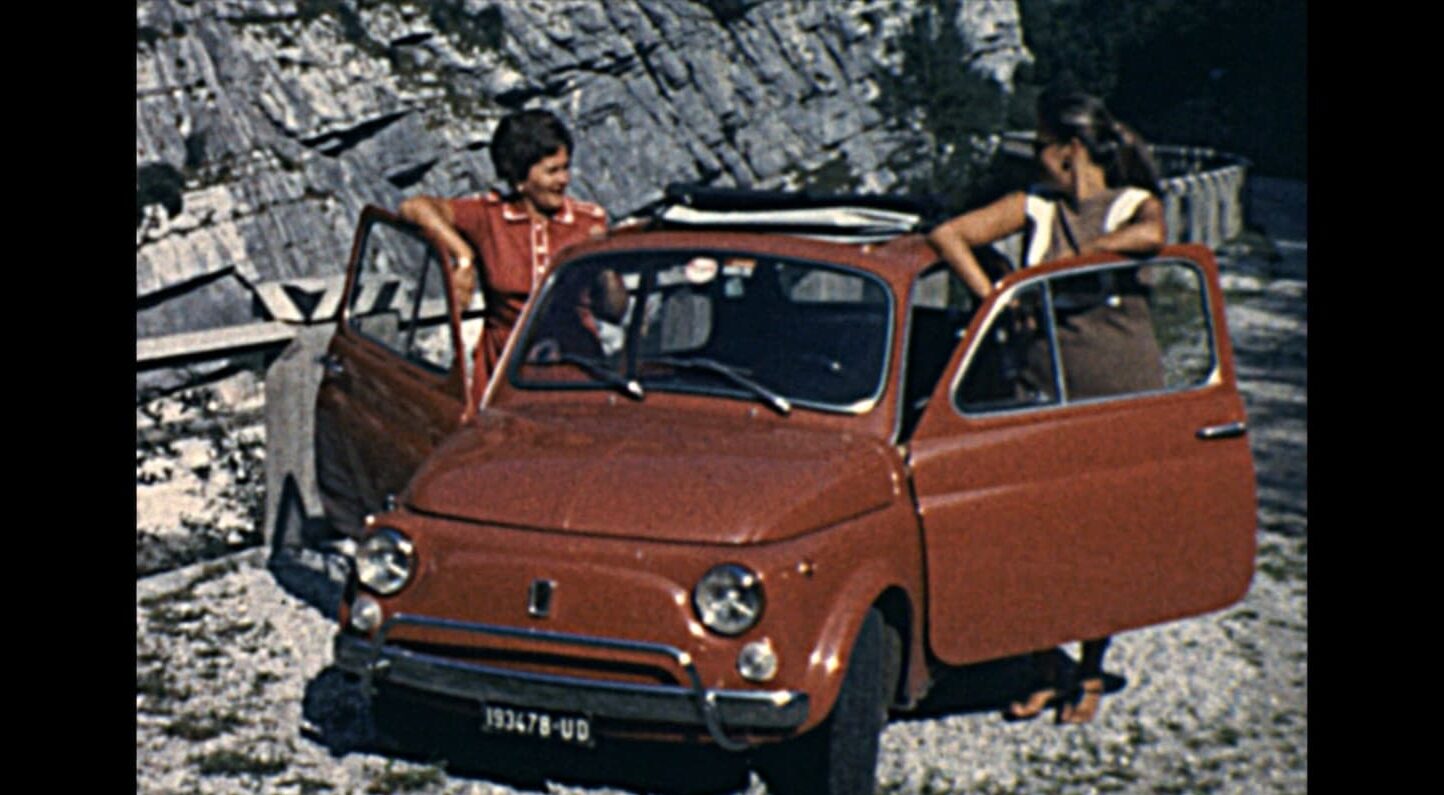
Provocative. Naked young women, a gun lying next to a lover, black smoke billowing from a chimney in the short film Interview with a Mistress (Intervju s ljubavnicom). And daring, when interweaving footage of personal tragedies with obituaries and photographs from porn magazines in Classified Ads (Mali oglasi). The shots are exceptionally short, but even shorter in the experimental film The Process (Proces) – images of the shortest possible duration, a single frame. Purgatory (Čistilište) is politically incorrect, reducing society to the setting of a municipal rubbish dump. As well as exceptionally poetic: in Theme 1, life’s full spectrum of nuances is captured on a bench in a city park, in just three framings.
Played by Stole Aranđelović, Gozdar, the protagonist of naïve The Woman with the Landscape (Žena s krajolikom), displays these same characteristics: in uniform, with a rifle, strong, rough-hewn and aloof, yet inherently sensitive, he is an artist who communicates with the world through painting. He will have to get used to the unwritten rules of the community. Ivica Matić began writing the screenplay when he met Špela Rozin, initially devising a story about an actress who had come to die in a remote village in eastern Bosnia and Herzegovina. Over time, the screenplay evolved into a universal story about art and freedom. The film is bold in its purity, precision and wealth of metaphors, yet remains down-to-earth, human and witty.
Director Matić encapsulated the essence of Bosnia: the beauty of the gentle landscape, bordered by wooden fences, haystacks and solitary trees. These perfect compositions of nature are interspersed with farmers carrying satchels, herding sheep, as horses gallop across the bare meadows. From afar, we hear the villagers singing mirthful folk songs about love. However, the embroidery on bedlinen, the interiors, the intricate architecture of the houses, the shepherds’ huts – everything is authentic, just like the facial features and dispositions of the characters.
Matić wanted to shoot a feature-length fiction film on 35 mm film, using only wide shots. One can imagine how majestic these landscapes would have been, captured with telephoto lenses – flat, almost devoid of perspective, much like the paintings of the naïve artist Ismet Ajanović. In his works, figures sometimes become all but indistinguishable amidst fences, pastures and sparsely scattered houses. When the idea of a film intended for theatrical release fell through, Sarajevo Television, where Matić worked as a cameraman, came to the rescue.
The channel made it possible to produce a television film on a modest budget, shooting on 16 mm film. He chose Karpo Godina as his director of photography.
In the film’s final shot, a procession of mourners is visible in the distance. Then a woman, a widow, enters the foreground. “He left just as he came,” she says, “in the blink of an eye.” This is the only shot in which Ivica wanted to be behind the camera. He sensed his own fate. He died, aged twenty-eight, a few months after the film’s premiere.
Ivica Matić’s body of work is regarded as one of the pillars of Bosnian-Herzegovinian cinema. Five decades after its creation, thanks to the Slovenian Cinematheque and a project by the Association of European Cinematheques, a restored copy of Woman with a Landscape is now available to audiences.